

Custom Die-Cut Gaskets and Seals
Home / Applications / Gaskets and Seals
Marian die-cuts custom gaskets and seals using a range of cutting techniques such as rotary die cutting, flatbed die cutting, and laser/waterjet/plotter cutting. The specific manufacturing technique is chosen based on the application, material, and volume. Marian meets and often exceeds dimensional tolerances, even with complex geometries or very small gasket and seal sizes. The finished product is a custom gasket or seal solution specific to your application.
Die-Cut Custom Gasket Features
- Laminated with pressure-sensitive adhesive (PSA)
-
Pull-tabs or extended liner
-
Kiss-cut to a roll for ease of assembly
-
Oriented for automated placement
-
Capacity to produce very high volumes
Contact Marian today for information on our precision cut custom gaskets and seals.
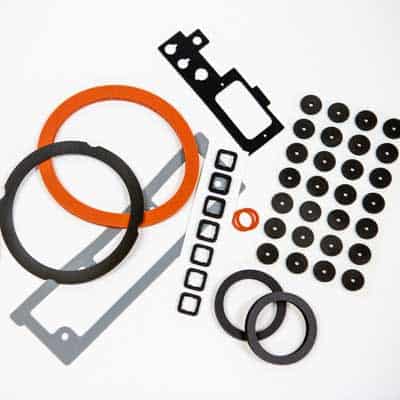
Die-Cut Gasket Examples
Camera Lens Gasket
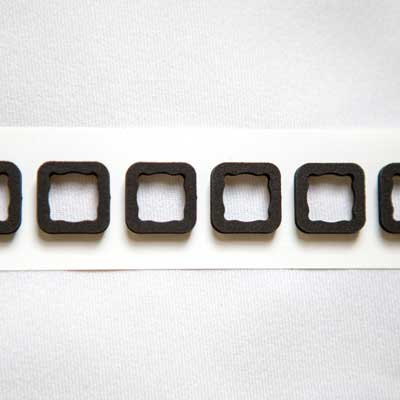
This gasket was die-cut, kiss cut to a roll using Rogers PORON® foam, and laminated on one side with double-coated tape. The PORON® foam offers sealing from water and dust, as well as cushioning from potential impact.
ID/OD Foam Washers
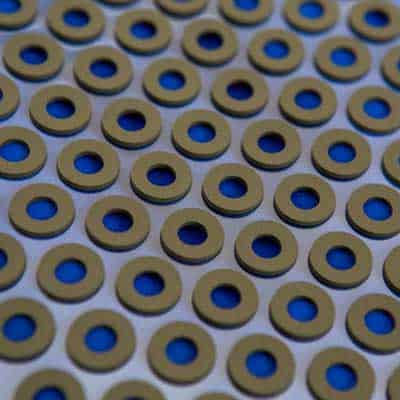
These ID/OD foam washers are manufactured in extremely high volumes. They are made with EPDM foam, and used often for noise reduction, vibration damping, and moisture sealing.
Light Shielding Gaskets
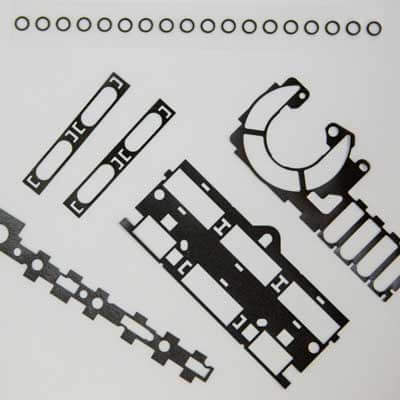
These gaskets offer light blocking and cushioning properties for electronic faceplate displays with an intricate design of buttons and switches. Rogers Poron® foam material was chosen due to its soft and slow rebound properties.
Gaskets and Seals Prevent Leaks
The purpose of a gasket is to fill the space between two mating surfaces, generally preventing leakage while the material is under compression. Many products and applications require sealing from different elements: air, water, dust, fluid gas, electromagnetic interference, radio frequencies, and light. In addition to preventing leaks and sealing, gaskets can also serve other functions like cushioning, vibration, and noise reduction (washers).

Types of Custom Gaskets
-
Environmental sealing gaskets
-
Gaskets for for IP Rated enclosures/NEMA rated electrical enclosures
-
High temperature gaskets
-
ID/OD gaskets (washers)
-
Window/LCD screen gasket
-
Lens gasket
-
Shock/impact protection gaskets
-
Cushioning gaskets
-
Light sealing tape/gasket
Types of Gasket Material
- Rogers PORON® Polyurethane Foam
- Rogers BISCO® Silicone Foams
- Silicone Gaskets/Silicone Sponge
- Neoprene Rubber
- EPDM Rubber
- XLPE – Crosslinked Polyethylene
- Acrylic foam tapes
- Gaskets backed with Pressure Sensitive Adhesive (PSA)/Double-coated PSA
- Electrically Conductive Rubber and Foam
- Thermally Conductive Rubber and Foam
Gasket Material Considerations
- Closure force/compression force
- Exposure to certain elements: temperature, weather (outdoors), chemicals, UV
- Product longevity
- Considerations with Specifications/Ratings: IP, NEMA, UL
FAQs About Die-Cut Gaskets
What makes Marian’s custom gaskets different?
Marian’s custom gaskets stand out because they are engineered to fit your exact application needs rather than being generic, off-the-shelf parts.
We combine deep material expertise with precision die-cutting, laser cutting, and lamination processes to deliver gaskets that meet tight dimensional tolerances, even with complex geometries or very small features. Marian’s team works closely with design engineers from prototype through high volume production to ensure performance, reliability, and manufacturability.
What types of materials do you use?
We convert a broad range of high-performance materials selected for the functional requirements of your design, including:
- Polyurethane foams
- Micro-cellular foams
- Silicone sponge foams
- EPDM closed cell, crushed EPDM
- Neoprene Blends
- Nitrile
- TPR
- Butyl
- XLPE
- And more
- Acrylic foam tapes
- Pressure-sensitive adhesive (PSA) backings
- Double coated tapes
- Transfer tapes
- Bio-based tapes
- Optically clear adhesives
- Polyimide, Polypropylene, polyester, and polycarbonate films
Electromagnetic interference (EMI) Shielding
- Electrically conductive rubber, foam, fabrics, and tapes
- PTFE
- ePTFE
- Woven Mesh
- Acoustic Mesh
- Thermally conductive compounds
- Thermal gap filler pads
- Thermally conductive tapes
- Flame Resistant Barriers
- Anti-propagation materials
Material selection considers compression properties, environmental exposure (temperature, weather, chemicals), and specification requirements such as IP, NEMA, or UL ratings to ensure long-term performance.
How do custom gaskets protect electronics?
Custom gaskets protect electronics by creating a tight, engineered seal between mating surfaces to keep out contaminants like moisture, dust, debris, and even UV rays. These are common causes of failure in sensitive assemblies. They also serve secondary protective functions such as:
- Vibration damping and shock absorption to reduce mechanical stress
- Thermal management and cushioning for fragile components
- EMI/RFI shielding to maintain signal integrity
By selecting the right material and design, Marian’s gaskets help ensure enclosure integrity, extend product life, and improve reliability in demanding electronics applications.
Can you produce gaskets for high-volume needs?
Yes. Marian specializes in high-volume custom gasket manufacturing and offers the largest production capacity in the industry. With 12 manufacturing locations worldwide and more than 1,000 rotary die cutting machines globally, we are built to support demanding, high-throughput programs while maintaining consistent quality and tight tolerances.
Our in-house converting capabilities include rotary and flatbed die cutting as well as laser and waterjet cutting, allowing us to scale seamlessly from early prototypes to automated roll-to-roll production. We can also orient parts for automated placement and incorporate features such as kiss-cut rolls or pull tabs to streamline assembly in high-volume manufacturing environments.
What is the purpose of a PSA in a gasket?
The purpose of a Pressure-Sensitive Adhesive (PSA) in a gasket is to secure the gasket to a mating surface using light pressure during installation. This allows the gasket to be placed accurately and remain in position throughout assembly without the need for liquid adhesives or mechanical fasteners.
PSA-backed gaskets improve assembly efficiency by providing immediate adhesion with no cure time, helping maintain proper alignment during compression and sealing. They are especially valuable in high-volume and automated manufacturing environments, where consistent placement, repeatability, and reduced handling time are critical to overall performance and throughput.
Related Resources
Success Story: BISCO HT-800 for LED Sealing Gasket
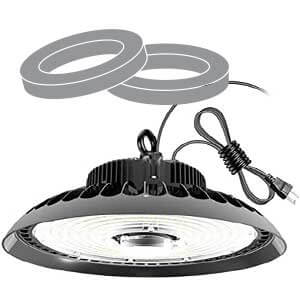
Marian recommends BISCO HT-800 Medium Silicone Foam for a sealing gasket in an outdoor LED Lighting Enclosure. Read more…