ADAS Components and System Parts with Die-Cut Solutions

Home / Advanced Driver Assistance Systems (ADAS)

Autonomous Driving Systems are becoming more integrated into vehicles as the market moves toward increased connectivity and autonomous driving. Autonomous driving delivers improved passenger experience, comfort, and optimal safety conditions. At Marian, we’re equipped with the knowledge and tools to manufacture a variety of innovative die-cut components for Advanced Driver Assistance Systems (ADAS) vital to the market.

ADAS systems are made of multiple hardware components, potentially including HD digital video cameras, sensors, MEMS, radar, LIDAR, processors, and digital displays, all working together with an automatic emergency braking system and other advanced safety features. Components within these sophisticated systems require advanced material solutions to achieve the high level of performance demanded by modern auto designs. Systems are required to function in harsh environments, being exposed to wind, dust, ice, humidity, and extreme hot and cold temperatures. They must also offer better electronic stability control and withstand vibration and potential force from impact.

Designing proper protective components within the autonomous driving modules will ensure successful operation for the life of the system. Contact us today for information on our die-cut components for ADAS and anti-lock braking systems and learn how our solutions can enhance your product.

Die-cut components for ADAS

Precision Die-Cut Components for Autonomous Driving

Modern ADAS systems rely on stable, protected, and precisely aligned hardware to perform consistently throughout a vehicle’s lifetime. Marian supports these architectures by producing ADAS components that protect cameras, sensors, radar elements, and supporting electronics from environmental and mechanical stress.

Custom Sensor and Camera Modules

Camera and sensor modules require precise interfaces to maintain optical clarity, alignment, and sealing. Marian produces die-cut components for ADAS, including gaskets, adhesive frames, compression pads, and micro-scale parts, that support consistent sensor positioning across modules that may incorporate multiple sensors.

These parts help maintain stability for functions such as radar systems, traffic sign recognition, and other perception-dependent ADAS functions without implying control over the systems themselves. Consistent dimensional accuracy ensures that modules retain the intended optical path and mechanical fit, supporting dependable operation even when integrated into autonomous vehicles or systems monitoring the vehicle ahead.

Environmental Protection Components

ADAS hardware must operate and assist drivers despite vibration, humidity, wind, dust, thermal cycling, and exposure to debris from other vehicles. Marian provides sealing solutions, foam spacers, and venting components engineered to shield housings while allowing controlled pressure equalization. These materials contribute to the long-term stability of camera pods, radar covers, and sensor enclosures found in vehicle systems, helping preserve signal quality and environmental resistance.

Specialized Material Solutions for ADAS

Reliable ADAS performance depends on material systems that protect sensitive electronics and support consistent signal transmission.

Thermal and Electrical Interface Parts

Processors, imaging units, and sensor modules generate heat that must be efficiently managed to support enhancing vehicle safety across demanding environments. Marian converts gap pads, heat spreaders, conductive foils, and dielectric films that assist in thermal dissipation and electrical insulation. These components support the thermal pathways required in camera processors, radar modules, and supporting electronics, enabling stable performance in vehicle systems where temperature fluctuations are common.

Optical and Display Films

Optical elements in ADAS modules must remain clear and stable over time. Marian converts optically clear adhesives, brightness-enhancing films, IR-transparent films, and protective layers designed to support camera lenses, display modules, and optical stacks without distortion. These films help protect and enhance imaging elements that may contribute to features such as alert driver warnings or perception modules in ADAS technology ecosystems.

Why Choose Our ADAS Die-Cutting Expertise

Marian supports ADAS programs with a manufacturing approach built for consistency, scale, and engineering precision. Here are some reasons why we will be a great fit for your needs:

Thumbs-up Thumbs-up

Durability and Reliability

Material selection, controlled processing, and stable die-cutting methods produce components that perform reliably through vibration, weather exposure, and continuous operation. These attributes align with long-term durability expectations in systems contributing to vehicle safety.

Chart-area Chart-area

Scalable Global Manufacturing

Marian’s global production capabilities support prototype builds, design validation, and high-volume automotive programs. Harmonized processes ensure consistent quality across facilities and predictable delivery for ADAS module suppliers and automotive engineers.

Tools Tools

Collaborative Engineering Support

Our engineering teams engage early to refine material choices, tolerances, and manufacturability. This collaboration strengthens integration into complex ADAS components and supports reliable assembly across diverse ADAS architectures.

Solutions for ADAS Components

Seals + gaskets

  • Protect sensitive components from moisture, dust, and debris.

Foam pads and spacers

Bonding, joining, and assembly solutions

Thermal management components

  • Gap pads
  • Heat spreaders
  • Conductive tapes

Specialty films

EMI Shielding tapes, films, and foams

PTFE Vents with zoned adhesive

  • Protect enclosures from moisture and debris while allowing pressure to equalize within the housing.

Micro-components for MEMS sensors

  • Multi-layer die-cut components <3 MM in size; highly precise at very tight tolerance
  • Produced roll-to-roll, kiss-cut to liner for automated placement or lead-frame placement.
  • PTFE vents with zoned adhesive
  • Kapton® Polyimide films with laminated adhesive

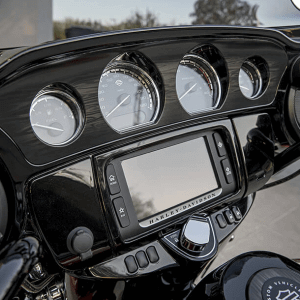
Solution Case Study: Silicone Gasket for Navigation DisplaySilicone Gasket for Navigation Display

FAQs About ADAS Components

If you are still wondering why you should choose Marian, here are the answers to some common concerns that will help you with your decision-making process:

Marian manufactures a comprehensive range of precision-converted components for Advanced Driver Assistance Systems (ADAS), including:

  • Sealing and Protection Solutions: Seals and gaskets protect sensitive ADAS components from moisture, dust, and debris. PTFE vents with zoned adhesive allow pressure equalization within enclosures while maintaining environmental protection.
  • Vibration and Impact Management: Foam pads and spacers provide critical vibration damping and impact protection for cameras, sensors, and LiDAR systems mounted in high-vibration automotive environments.
  • Bonding and Assembly Solutions: Die-cut double-coated tapes, laminating adhesives, and foam tapes enable precise component assembly and attachment. These materials are engineered for the temperature extremes and mechanical stresses typical in automotive applications.
  • Thermal Management Components: Gap pads, heat spreaders, and thermally conductive tapes dissipate heat from processors, image sensors, and power electronics to ensure reliable ADAS performance across operating conditions.
  • Optical Solutions: Optically clear adhesives and films, brightness-enhancing films (BEF, DBEF), and IR transparent films optimize sensor performance for camera-based and infrared ADAS systems.
  • EMI Shielding: EMI shielding tapes, films, and foams, including Kapton® polyimide films, protect sensitive electronics from electromagnetic interference that could compromise sensor accuracy.
  • Micro-Components for MEMS Sensors: Marian specializes in multi-layer die-cut components smaller than 3mm with tight tolerances. These are produced roll-to-roll and kiss-cut to liner for automated or lead-frame placement, including PTFE vents with zoned adhesive and Kapton® polyimide films with laminated adhesive.

All components are precision die-cut to your specifications for seamless integration into ADAS assemblies required for commercial vehicles.

Yes. Marian specializes in custom die-cut components engineered specifically for ADAS applications. We work directly with design engineers to convert your specified materials into precision components that meet your exact dimensional requirements and tolerances. Our capabilities include rotary and steel-rule die cutting, laminating, slitting, and kiss-cutting to liner for automated assembly. 

We can process a wide range of materials, from optically clear adhesives and thermal interface materials to EMI shielding films and specialty foams. We produce components in sizes ranging from micro-scale MEMS sensor parts under 3mm to larger assemblies. Whether you need prototypes for validation or high-volume production runs, our engineering team collaborates with you throughout the design process to optimize manufacturability and ensure your components integrate seamlessly into your ADAS system.

Marian ensures durability through a combination of material selection, precision manufacturing processes, and rigorous quality control. We source materials from leading manufacturers that meet automotive-grade specifications for temperature extremes, UV resistance, chemical exposure, and mechanical stress. Our precision die-cutting processes maintain tight tolerances to ensure consistent fit and function across production runs, which is critical for long-term performance in demanding automotive environments. 

We work with materials proven to withstand the thermal cycling, vibration, humidity, and environmental conditions that ADAS components experience over a vehicle’s lifetime. Additionally, our quality management systems include dimensional inspection, material traceability, and process controls that verify each component meets your specifications before shipment.

Yes. Marian offers high-volume production capabilities designed to meet automotive industry demands for ADAS components. Our manufacturing facilities are equipped with high-speed rotary die-cutting equipment and roll-to-roll processing systems that enable efficient, scalable production runs. We offer unmatched capacity and can produce millions of precision components annually while maintaining the tight tolerances and quality consistency required for ADAS applications. 

Our production processes are optimized for automotive supply chain requirements, including just-in-time delivery, lot traceability, and quality documentation. Whether you’re ramping up for new vehicle launches or sustaining ongoing production programs, our capacity and flexible manufacturing systems can scale to meet your volume requirements while ensuring component reliability and cost-effectiveness.

Yes. Marian provides comprehensive engineering support for material selection and design integration. Our applications engineering team works closely with design engineers to understand your ADAS system requirements, including environmental conditions, performance specifications, and assembly constraints, and recommends materials that optimize functionality, durability, and cost. Through our strong partnerships with leading material suppliers, including 3M, Rogers Corporation, and tesa, we have access to the industry’s most advanced adhesives, foams, films, and specialty materials for thermal, optical, sealing, and shielding applications. 

Our team provides design-for-manufacturability guidance to ensure your components can be efficiently produced at scale, offering insights on tolerances, material compatibility, and assembly methods. We can supply material samples for testing and validation, and collaborate throughout the development process from initial concept through production to ensure seamless integration into your ADAS design.

Download our FREE technical eBooks!
Link to: Technical eBooks Link to: Technical eBooks
4 Questions to Ask When Selecting a Pressure Sensitive Adhesive
How to Select the Right Thermal Interface Material
What to Consider When Selecting Foam Material for Static Gaskets & Seals
Considerations with Tolerances When Die Cutting Soft Flexible Materials
Pros and Cons of Designing with Silicone Rubber
What to Know When Selecting Pressure Sensitive Adhesives for Wearable Medical Devices
Marian Certifications